
bullet proof glass company
Understanding Pump Check Valves Importance and Functionality In various industrial and commercial applications, the effectiveness and efficiency of fluid transfer systems hinge significantly on the components used within them. Among these components, pump check valves play a critical role in ensuring proper functionality. This article delves into the significance of pump check valves, how they work, and their applications across different industries. What is a Pump Check Valve? A pump check valve is a type of one-way valve that allows fluid to flow in only one direction—forward—while automatically preventing backflow. This characteristic is crucial for systems that involve pumping fluids, as backflow can cause damage to the pump, reduce efficiency, and lead to potential safety hazards. Check valves come in various designs, such as swing check valves, lift check valves, and diaphragm check valves. Each type has a specific mechanism that suits different operational demands, but all serve the primary purpose of ensuring unidirectional flow. How Do Pump Check Valves Work? The operation of a pump check valve is relatively straightforward. When the pump is activated, the pressure of the fluid opens the valve, allowing it to flow through the system. When the pump is turned off or if there is a drop in pressure, the internal mechanism closes the valve, preventing any backflow. This action helps maintain system integrity and ensures that the fluid reaches its intended destination without regression into the pump or other components. The design of the check valve—regardless of type—ensures that it can withstand the pressures and dynamics of the fluid flow. Materials used in manufacturing these valves vary, and they may include stainless steel, brass, and plastic, depending on the application's chemical compatibility and pressure requirements. Importance of Pump Check Valves The significance of pump check valves extends across a multitude of reasons 1. Protection of Equipment By preventing backflow, pump check valves protect the pump and other system components from damage. Frequent backflow can cause wear and tear, leading to costly repairs and inefficiencies. pump check valve 2. Improved System Efficiency By ensuring that fluids flow in a single direction, these valves contribute to the overall efficiency of the pumping system. This efficiency translates into reduced energy consumption and enhanced performance. 3. Safety Assurance Properly functioning check valves guard against unexpected surges in pressure or fluid reversal, which can be hazardous in certain applications. They are particularly critical in systems dealing with volatile or hazardous materials. 4. Regulatory Compliance Many industries are governed by strict regulations regarding equipment and safety standards. Installing reliable check valves can ensure compliance with these regulations, mitigating legal and financial risks. Applications Across Industries Pump check valves can be found in a wide range of industries, each benefiting from their unique functionalities - Water and Wastewater Management Check valves are pivotal in municipal water systems and wastewater treatment plants to prevent contamination and ensure the integrity of the water supply. - Chemical Processing In the chemical industry, maintaining the flow direction of reactive substances is essential to minimize hazardous situations, making check valves indispensable. - Oil and Gas Pump check valves play a critical role in maintaining flow direction in oil pipelines, preventing backflow that could disrupt operations or cause spills. - Food and Beverage In this industry, check valves are employed to ensure sanitary flow conditions, preventing backflow that could lead to contamination. Conclusion In summary, pump check valves are vital components in fluid transfer systems, providing essential benefits such as protection, efficiency, and safety. Their simplicity in design belies their importance, as they contribute significantly to the reliability and functionality of various industrial applications. Understanding their role is crucial for engineers, operators, and maintenance personnel aiming to optimize system performance and ensure safe operations in any liquid handling process. As industries continue to evolve, the relevance of pump check valves will undoubtedly remain robust, necessitating ongoing attention to their selection, installation, and maintenance.
about
bullet proof glass company
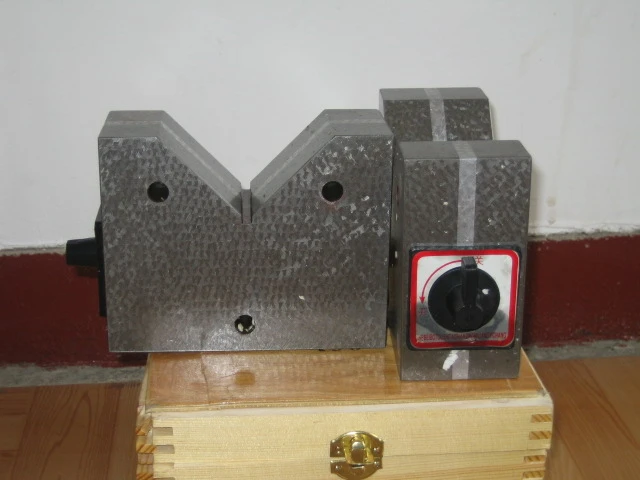
Understanding Magnetic V Blocks and Their Working Mechanism Magnetic V blocks are essential tools in the field of machining, inspection, and assembly. These devices serve a crucial role in securely holding workpieces in place during various applications, ensuring precision and accuracy. The unique design of magnetic V blocks allows them to accommodate items of different shapes and sizes, particularly cylindrical and flat surfaces. In this article, we will delve into the construction, working mechanism, and diverse applications of magnetic V blocks. Construction of Magnetic V Blocks Magnetic V blocks are typically made from high-quality cast iron or steel, providing them with the necessary durability and stability. The V shape refers to the angled grooves that allow for the proper positioning of cylindrical items. This design enables the tools to grip the components firmly, minimizing the risk of slippage during machining processes. A key feature of magnetic V blocks is the inclusion of strong magnets, often permanent magnets or electromagnets, which create a powerful magnetic field. This feature secures the workpiece without the need for clamps or other fasteners, simplifying setup and increasing efficiency. The magnetic system can be activated or deactivated using a lever or switch, making it easy for operators to position and remove the workpiece as needed. Working Mechanism The working mechanism of magnetic V blocks revolves around the principles of magnetism. When the magnetic switch is activated, the magnets generate a strong magnetic field that adheres to the surface of ferromagnetic materials, such as steel. This holds the workpiece securely in place, providing a stable platform for machining, grinding, or measuring. The V-block design plays a critical role in the effectiveness of the tool. The angled surface ensures that the workpiece is not only held securely but also positioned correctly for operations. This configuration eliminates the possibility of misalignment, which can lead to defects in the end product. The versatility of magnetic V blocks allows them to be utilized in various orientations, whether horizontally or vertically, making them ideal for complex setups. Moreover, the reusable nature of these blocks reduces the need for additional fixtures, saving time and resources. magnetic v block working Applications of Magnetic V Blocks Magnetic V blocks are widely used in numerous applications across different industries . Their primary functions include 1. Machining In machining operations, magnetic V blocks provide a stable platform for holding cylindrical parts during turning, milling, and drilling processes. The secure grip prevents any movement that might compromise precision. 2. Measuring and Inspection Magnetic V blocks are commonly employed in metrology. They serve as a reference point for measuring cylindrical components with calipers, micrometers, or gauges. The stability offered by magnetic V blocks enhances measurement accuracy. 3. Welding and Assembly In welding operations, magnetic V blocks can hold pieces in alignment, allowing welders to focus on their work without needing additional clamps. This capacity improves productivity and helps achieve consistent results. 4. Assembly Line Use In manufacturing settings, magnetic V blocks simplify the assembly process, providing a quick and reliable way to hold parts in position without cluttering the workspace with multiple clamps or fixtures. 5. Education and Training Educational institutions and training facilities often utilize magnetic V blocks as instructional tools to demonstrate principles of machining and measurement. They aid in teaching students the importance of precision and the mechanics of machining processes. Conclusion Magnetic V blocks are indispensable tools in modern machining, measurement, and assembly processes. Their unique design, coupled with powerful magnetic capabilities, enables them to provide superior support and stability for a variety of workpieces. Whether in a high-precision workshop or a manufacturing assembly line, magnetic V blocks ensure that operations are performed with accuracy and efficiency. As technology continues to advance, these tools will undoubtedly maintain their relevance in the toolkit of any skilled machinist or engineer. Ultimately, understanding the workings and applications of magnetic V blocks will allow operators to optimize their usage, leading to improved performance and quality in their projects.
-

High quality industrial productsagement

High quality industrial products
View Details -

Meet the diverse needs of customers

Meet the diverse needs of customers
View Details -

Strict quality control

Strict quality control
View Details -

Top raw materials

Top raw materials
View Details -

Trusted supplier

Trusted supplier
View Details
Our application

news and information

Wooden Villa House Connection Solutions with Truss Mending Nail Plates for Structural Integrity
The Essential Role of Truss Mending Nail Plates in Wood Villa Construction Wooden villas exude charm

Y Type Strainer Cleaning Procedures
In industrial fluid systems, Y type strainers are essential components that effectively filter out i
various types of control valves
Various Types of Control Valves Control valves are critical components in a range of engineering app
 English